Kitchen remodeling continues to evolve as homeowners seek spaces that balance beauty, efficiency, and durability. In 2025, the focus is on modern functionality, low maintenance materials, and clean visual design. These trends are shaping kitchens into brighter, smarter, and more practical environments, making them one of the most impactful remodeling projects in any home.
1. Open Layouts and Functional Flow
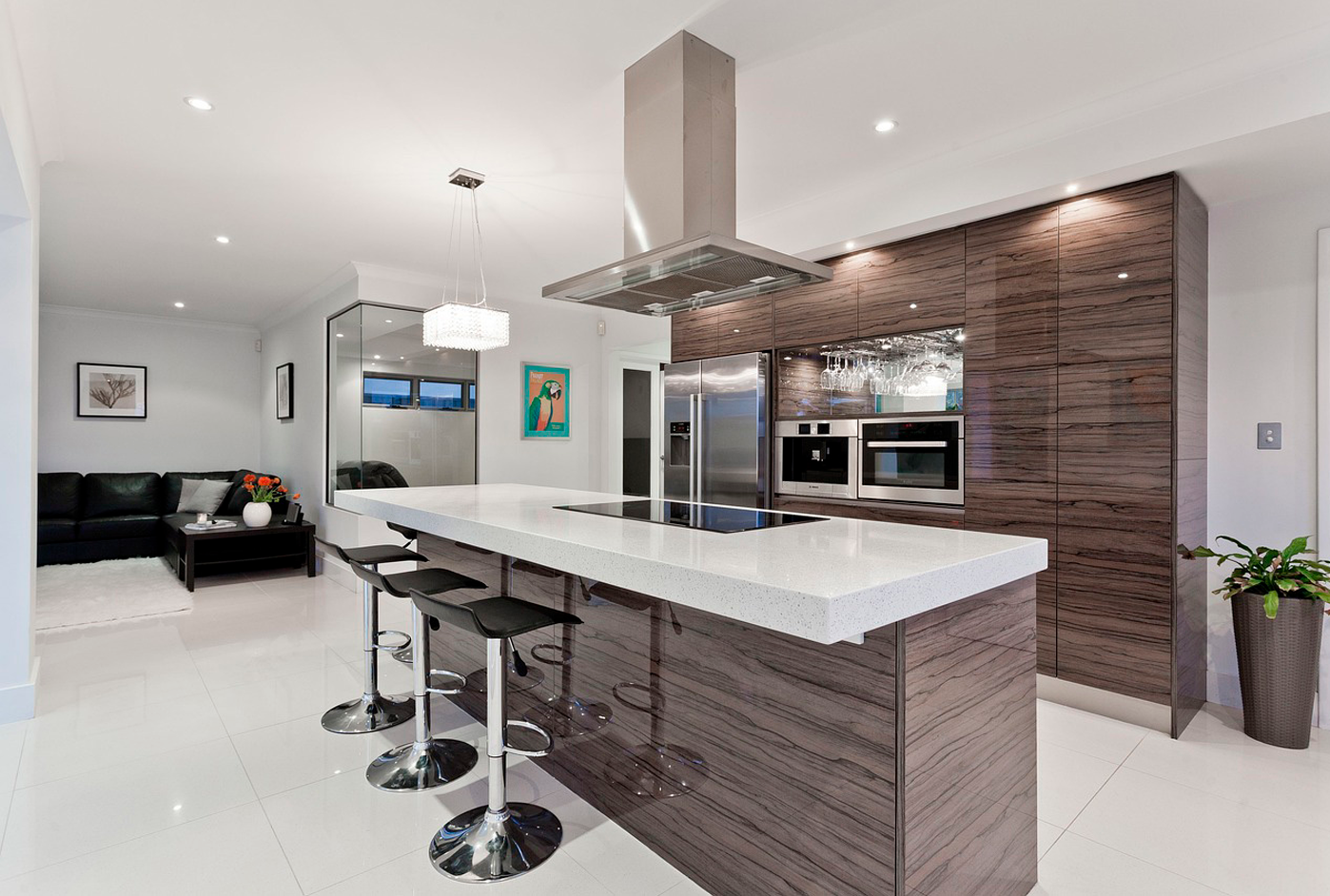
Open concept kitchens remain a top choice, especially for families who use the kitchen as a social and multifunctional hub. Removing walls, extending islands, and creating seamless transitions to living and dining areas helps improve daily flow and increases the sense of space. Homeowners are looking for layouts that support cooking, working, and socializing in the same environment.
2. Warm and Natural Finishes
While white kitchens still hold their place, 2025 brings a shift toward warm wood tones, textured cabinetry, and soft neutrals. Light oak, walnut accents, and matte beige finishes are growing in popularity because they create a welcoming atmosphere without sacrificing a modern look.
3. Quartz Countertops and Full Height Backsplashes
Quartz continues to dominate due to its durability, stain resistance, and minimal maintenance. A major trend this year is the use of full height backsplashes made from the same quartz slab, giving the kitchen a clean and luxurious appearance. This creates continuity in the design and makes cleaning much easier compared to traditional tile grout lines.
4. Hidden Storage and Smart Organization
Clutter free kitchens are a priority. Homeowners are investing in custom storage solutions such as pull out pantries, hidden appliance garages, deep drawers for pots and pans, and built in organizers. Smart organization improves functionality and helps keep the space visually clean.
5. Smart Kitchen Technology
Technology continues to influence kitchen design. Smart faucets, touchless controls, energy efficient appliances, and app connected ovens are becoming standard upgrades. These innovations save time, reduce waste, and make everyday tasks easier.
6. Layered Lighting Design
Lighting plays a central role in the modern kitchen. Homeowners are moving toward layered setups that include under cabinet LED strips, pendant lighting over the island, recessed lighting for overall illumination, and warm ambient lights. Good lighting enhances aesthetics and improves visibility during food preparation.
7. Sustainable and Low Maintenance Choices
Eco friendly materials are gaining attention. Homeowners are choosing products that last longer, require less maintenance, and reduce environmental impact. Examples include engineered wood, water saving faucets, recycled material countertops, and LED lighting solutions.
Conclusion
Whether you are planning minor updates or a full renovation, these trends offer inspiration and guidance to create a kitchen that feels modern, functional, and built for everyday living. By combining smart design choices with durable materials, homeowners can achieve a beautiful kitchen that adds long term value to the home.